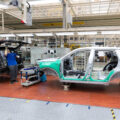
As industries embrace Industry 4.0, automation and robotics are becoming essential to modern manufacturing. From automated assembly lines and robotic work cells to material handling systems and machine vision platforms, today’s industrial environments rely on equipment that is precise, scalable, and efficient.
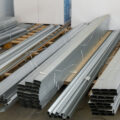
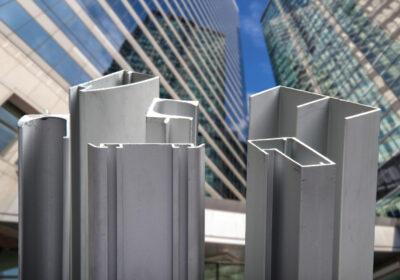
At the core of many of these systems are aluminum extrusions. Lightweight yet strong, aluminum profiles are a preferred material for engineers designing automation frames, robotic enclosures, and industrial machinery.
The ability to create custom shapes, integrate components, and support modular designs has made aluminum extrusion for robotics one of the fastest-growing applications in manufacturing. As automation continues to evolve, aluminum extrusions help manufacturers build smarter, more flexible production environments.
The Importance of Material Selection in Automation and Robotics
Automation systems are expected to run continuously while maintaining precision, reliability, and efficiency. The materials used to build these systems directly impact their performance, lifespan, and operating costs.
Machine builders need structures that offer:
- High strength and rigidity
- Lightweight construction
- Corrosion resistance
- Design flexibility
- Easy assembly and modification
- Long-term durability
While traditional materials like steel are still important in certain applications, aluminum extrusions provide unique benefits that make them well-suited for automation and robotic systems.
The Expanding Use of Aluminum Extrusions in Robotics
Robotics applications need structures that support precise movement, sensor integration, and control systems.
Aluminum extrusions are commonly used in:
- Robotic workstations
- Automated assembly cells
- Collaborative robot (cobot) platforms
- Vision inspection systems
- Material handling equipment
- Safety guarding systems
- Conveyor frameworks
The versatility of aluminum allows engineers to create customized solutions while maintaining tight dimensional accuracy and efficient manufacturing processes.
Key Advantages of Aluminum Extrusions in Automation Systems
Lightweight Yet Strong Construction
One of aluminum’s greatest benefits is its excellent strength-to-weight ratio.
Compared to heavier materials, lightweight machine frames offer:
- Easier transportation and installation
- Reduced structural loads
- Improved energy efficiency
- Faster machine movement and acceleration
- Simpler modifications and upgrades
This balance of strength and weight is especially valuable in robotic applications where dynamic motion and precision are critical.
Modular Design Flexibility for Evolving Systems
Modern automation projects often require ongoing adjustments as production needs change.
Aluminum extrusion systems support modular designs that allow manufacturers to:
- Add components easily
- Expand machine capabilities
- Reconfigure production layouts
- Integrate new technologies
- Reduce redesign costs
This flexibility protects automation investments and supports ongoing operational improvement.
Simplified Assembly and Installation
Many machine-building aluminum profiles come with integrated channels and connection systems that simplify assembly.
Benefits include:
- Reduced fabrication requirements
- Faster installation times
- Fewer welded connections
- Easier maintenance access
- Improved scalability
This modular approach cuts down on downtime and speeds up deployment for automation projects.
Automation Frame Systems Designed for High Performance
Automation frame systems form the structural foundation of many industrial processes.
These frameworks support:
- Robotic arms
- Control panels
- Sensors and cameras
- Conveyors
- Actuators
- Safety barriers
Aluminum extrusions help engineers create strong, precise frames while remaining flexible for future modifications.
Because automation systems evolve throughout their lifecycle, modular aluminum frames offer a big advantage over permanently welded structures.
Machine-Building Aluminum Profiles for Modern Manufacturing
Machine builders increasingly rely on custom aluminum profiles to create specialized equipment.
Machine building aluminum profiles can be designed to include:
- Cable management channels
- Sensor mounting spots
- Integrated fastening systems
- Weight reduction features
- Structural reinforcements
This design flexibility enables manufacturers to optimize both functionality and production efficiency.
Custom extrusion designs also lower the number of secondary components required, making assembly easier and reducing overall system complexity.
Supporting Industry 4.0 with Industrial Automation Structures
Industry 4.0 initiatives are driving demand for smarter and more connected production environments.
Industrial automation structures must support:
- Real-time data collection
- Machine vision systems
- IoT sensors
- Artificial intelligence platforms
- Advanced robotics
Aluminum extrusions provide the adaptability needed to accommodate these rapidly evolving technologies.
Their modular nature allows manufacturers to upgrade systems without replacing entire structural assemblies, making them ideal for digital transformation initiatives.
Designing Lightweight Machine Frames for Robotic Applications
Weight is crucial in robotic system performance.
Heavy structures can lead to:
- Increased energy consumption
- Reduced movement efficiency
- Higher transportation costs
- More challenging installations
Lightweight machine frames made from aluminum extrusions help overcome these issues while maintaining structural integrity.
Engineers can optimize designs to balance weight reduction and strength, creating systems that function efficiently without sacrificing durability.
This is especially important in applications involving:
- High-speed automation
- Collaborative robotics
- Mobile robotic platforms
- Precision positioning systems
Enhancing Reliability Through Corrosion Resistance
Industrial environments can expose equipment to:
- Humidity
- Chemicals
- Dust
- Temperature changes
- Cleaning agents
Aluminum naturally forms a protective oxide layer that helps resist corrosion and environmental damage.
Additional finishing processes like anodizing or powder coating can provide further protection and enhance appearance.
This durability contributes to longer equipment life and reduces maintenance needs.
Sustainability Advantages of Aluminum in Automation
Manufacturers are increasingly prioritizing sustainability alongside operational efficiency.
Aluminum supports these goals through:
- High recyclability
- Long service life
- Reduced material waste
- Lower transportation emissions from its lightweight construction
- Energy-efficient manufacturing processes
As companies pursue environmental targets, aluminum extrusions are becoming more popular as a sustainable engineering material.
How Can Art Aluminum Extrusion Supports Automation and Robotics
Can Art Aluminum Extrusion supports automation and robotics manufacturers with precision-engineered extrusion solutions designed for demanding industrial applications.
Their capabilities include:
- Custom aluminum profiles for automation systems
- Precision extrusion manufacturing
- Fabrication and machining services
- High-quality finishing solutions
- Tight tolerance control
- Scalable production for complex industrial projects
By combining advanced manufacturing technology with engineering expertise, Can Art Aluminum Extrusion helps machine builders create durable, efficient, and adaptable automation systems.
Whether supporting robotic work cells, automation frame systems, or industrial automation structures, Can Art Aluminum Extrusion delivers solutions that meet the performance demands of modern manufacturing environments.
The Future of Aluminum Extrusions in Automation
The global automation market continues to grow as manufacturers seek greater efficiency, productivity, and flexibility.
Emerging technologies such as:
- Artificial intelligence
- Collaborative robotics
- Autonomous material handling
- Digital twins
- Smart factories
will require increasingly sophisticated structural systems.
Aluminum extrusions are well-positioned to support these developments because of their strength, lightweight performance, and design flexibility.
As automation technology advances, aluminum will remain a key material in the next generation of industrial innovation.
Final Thoughts on Aluminum Extrusions in Automation and Robotics
The success of modern automation and robotics depends on structures that are precise, adaptable, and built to last. Aluminum extrusions provide the best mix of strength, flexibility, and efficiency needed for today’s industrial applications.
From machine building aluminum profiles to automation frame systems, lightweight machine frames, and advanced robotic platforms, aluminum continues to shape the future of manufacturing.
By partnering with experienced extrusion manufacturers like Can Art Aluminum Extrusion, machine builders can develop innovative solutions that support long-term performance, scalability, and operational excellence in an increasingly automated world.