Today’s competitive manufacturing environment demands that cost reduction be more than just finding cheaper materials. Leading manufacturers are working on improving product design, simplifying the production process, and removing inefficiencies in the supply chain.
One of the most powerful, but overlooked, strategies to achieve these goals is aluminum extrusion consolidation. By redesigning assemblies to combine multiple components into a single extrusion profile, companies can reduce manufacturing complexity, lower assembly costs and improve overall project efficiency.
Consolidating aluminum extrusion can save significant amounts of money and improve product performance in automotive, construction, industrial equipment, renewable energy and consumer applications.
What Is Aluminum Extrusion Consolidation?
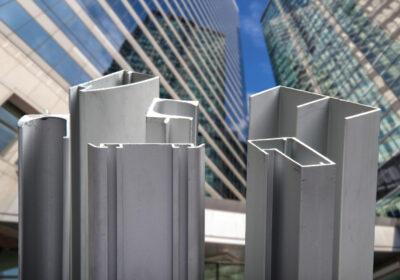
Aluminum Extrusion Consolidation is the process of combining multiple individual parts, fasteners, brackets and fabricated components into a single custom extrusion profile.
The engineer designs a profile that incorporates many functions into the extrusion rather than building and assembling many separate components.
For example a conventional assembly might need:
- Various structural elements
- Separate Brackets for Mounting
- Connectors and fasteners
- Reinforcement properties
- Systems for cable management
Many of these features can be combined into one profile by extrusion design optimization, reducing manufacturing and assembly requirements.
Why Part Consolidation Is Becoming Popular Among Manufacturers
Modern manufacturers are under increasing pressure to:
- Decreased Production Costs
- Increase product quality
- Accelerate time to market
- Simplify supply chains
- Improve sustainability
The part consolidation aluminum strategies help to meet all of these objectives at the same time.
By reducing the number of components, organizations can build more efficient products that are simpler to manufacture, assemble and maintain.
The Hidden Cost of Excessive Components
Every additional component in a product costs more than the material itself.
Often additional parts are required:
- Different production processes
- Inventory control
- Contact with suppliers
- Quality assurance
- Assembly Work
- Logistics and packaging
These indirect costs can quickly exceed the cost of the material itself.
These hidden costs can be reduced and the overall project economics improved by consolidating components into custom aluminum extrusions.
Design Integration for Aluminum Extrusion Cost Reduction
One of the key advantages of extrusion technology is the ability to produce highly customized cross-sectional profiles.
Engineers can incorporate many functions into one extrusion such as:
- Reinforced construction
- Channels for mounting
- Cable management raceways
- Mounting systems
- Features related to alignment
- Members de refroidissement
This level of integration results in a high reduction in the cost of aluminum extrusion as many secondary components are not necessary.
This results in a simpler and more efficient product design.
How Part Consolidation Reduces Assembly Costs
Assembly operations are often some of the most labour intensive stages of manufacturing.
Each extra component needs:
- Management
- Position
- Fastenings
- Survey
- Validation
Reducing the number of components significantly reduces the cost of assembly for manufacturers.
Benefits are:
Faster Assembly Times
Less parts means less assembly steps so production teams can get the job done more efficiently.
Lower Labour Requirements
Simplified assemblies require less manual intervention and less man hours.
Reduced Risk of Assembly Errors
There are fewer components to manage, so there is less chance of making mistakes during installation.
More Consistent Product Quality
Standard assemblies contribute to assuring reproducible production quality.
In high-volume manufacturing operations, these savings can be significant.
Using Extrusion Consolidation to Improve Manufacturing Efficiency
Manufacturing efficiency is not only assembly.
Consolidating parts can improve performance across the entire production lifecycle.
Reduced Procurement Complexity
Fewer components mean fewer purchase orders, fewer suppliers and fewer inventory items to manage.
Simplified Inventory Management
The lower part counts decrease the storage requirements and the inventory carrying costs.
Improved Production Scheduling
Simplified manufacturing processes make planning easier and remove bottlenecks.
Enhanced Quality Control
It is easier to inspect one integrated component than several individual parts.
These benefits, when combined, directly increase manufacturing efficiency.
Design Optimization as the Key to Successful Consolidation
The optimization of aluminum extrusion design begins early in the product development process.
Engineers should assess opportunities to:
- Remove redundant parts
- Combine several functions
- Reduce assembly processes
- Structural performance improvement
- Minimize material waste
Working with design teams and extrusion specialists often opens up opportunities that may have otherwise been missed.
The earlier the consolidation takes place, the greater the potential for cost savings.
Industries That Benefit Most from Extrusion Consolidation
Part consolidation strategies are providing significant benefits across many industries.
Automotive Applications
Lightweight structural systems, battery enclosures and vehicle components are increasingly using consolidated aluminum profiles.
Renewable Energy Systems
Solar mounting systems and energy infrastructure benefit from simplified designs and lower installation costs.
Industrial Automation Equipment
Extrusion profiles with multiple functions are frequently used for machine frames, safety systems and automation structures.
Building and Architectural Systems
Consolidated designs are utilized in curtain walls, framing systems, and building components to enhance installation efficiency.
Consumer Product Manufacturing
Manufacturers can simplify manufacturing, and improve product aesthetics and function.
Additional Benefits Beyond Cost Reduction
Cost reduction is usually the prime objective but extrusion consolidation has a number of other advantages.
Improved Product Reliability
Less connections, less fasteners, less points of failure.
Reduced Product Weight
Consolidated designs frequently remove excess material and hardware.
Enhanced Product Appearance
Integrated profiles lead to more refined, more streamlined product designs.
Greater Sustainability
Material consumption is reduced and production methods are simplified to support environmental goals.
These benefits lead to better overall product performance and customer satisfaction.
Common Consolidation Challenges and Solutions
Although there are many benefits to consolidation, it is essential to plan properly for successful consolidation.
Challenges you may face include:
- Initial design complexity
- What to consider for tooling investment
- Validation engineering requirements
- Cooperation between departments
Working with an experienced extrusion partner can help manufacturers tackle these challenges and get the most value out of their projects.
Proper design review and engineering collaboration is the key to getting the best results.
The Role of Can Art Aluminum Extrusion in Cost-Optimized Design
Can Art Aluminum Extrusion works with manufacturers to improve efficiency through advanced extrusion design and engineering know-how.
Their features are:
- Design of special aluminum profiles
- Design optimization assistance
- Precision extruding manufacturing
- Machining & Fabrication Services
- Manufacturing processes emphasising quality
- Solutions for scalable manufacturing
Can Art Aluminum Extrusion works hand-in-hand with customers in design phase to identify opportunities for part consolidation aluminum strategies to reduce costs while improving product performance.
Their integrated manufacturing solutions enable manufacturers to streamline production, eliminate complexity and improve long-term operational performance.
The Future of Manufacturing Efficiency Through Consolidation
As industries continue to pursue lean manufacturing principles, component consolidation will become increasingly important.
Future Manufacturing Priorities are:
- Streamlined supply chains
- Automation of industrial systems
- Use of sustainable materials
- Reduced dependence on labour
- Faster product development cycles
Aluminum extrusion technology is well suited to support these goals because of the flexibility, precision and design versatility it offers.
Companies that adopt consolidation strategies today will be in a stronger position for tomorrow’s competitive manufacturing environment.
Final Thoughts on Aluminum Extrusion Consolidation
To lower project costs, a holistic approach is needed beyond just material pricing. Aluminum extrusion consolidation enables manufacturers to simplify product designs, reduce the number of components, cut assembly costs and improve overall manufacturing efficiency.
Consolidation yields measurable benefits throughout the production cycle, from aluminum extrusion cost reduction and part consolidation aluminum strategies to advanced aluminum extrusion design optimization.
Teaming up with experienced manufacturers such as Can Art Aluminum Extrusion can open up new avenues for efficiency, competitiveness and long-term cost savings – without compromising quality or performance.