Construction is changing. Projects need to move faster, labour is getting more expensive, and there is growing pressure to reduce waste and build more sustainably. At the same time, buildings need to be flexible enough to adapt as requirements change.
That is one reason modular construction has become increasingly popular.
Instead of doing everything on-site, modular construction allows components or entire sections of a building to be manufactured in a controlled environment and then assembled where they are needed. It can make construction faster, more predictable, and easier to manage.
But modular construction only works as well as the materials behind it.
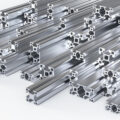
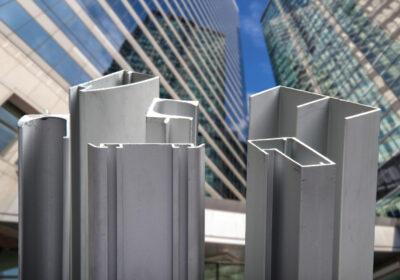
Aluminum extrusions are a particularly good fit because they combine low weight, strength, corrosion resistance, and design flexibility. Profiles can also be customized for specific applications, making them useful for everything from structural frames to partitions, façades, and support systems.
Why Modular Construction Needs the Right Materials
Traditional construction can involve a lot of work happening directly on the job site. Materials need to be cut, drilled, joined, and adjusted, often while other trades are working around them.
Modular construction takes much of that work off-site.
Components can be manufactured and prepared in advance, which means they can arrive at the site ready for assembly.
That can offer several practical benefits:
- Faster installation
- Less on-site labour
- Better quality control
- More consistent components
- Reduced material waste
- Easier project scheduling
- Greater flexibility in design
The material used for those components matters. It needs to be strong enough for the application without making transportation and installation unnecessarily difficult.
This is where aluminum has an advantage.
Why Aluminum Works So Well for Modular Construction
Aluminum is lightweight, durable, corrosion-resistant, and relatively easy to machine and fabricate.
For modular construction, that combination can make a noticeable difference.
Using aluminum extrusions for modular construction can help manufacturers create components that are:
- Lightweight and easier to handle
- Strong enough for structural applications
- Simple to machine and assemble
- Resistant to corrosion
- Adaptable to different designs
- Suitable for long-term use
Because extrusion dies can be designed around a specific application, engineers are not limited to simple off-the-shelf shapes.
They can design the profile around the way the component actually needs to work.
Lightweight Construction Makes Handling Easier
Anyone who has worked on a construction project knows that moving heavy components around a site can create its own set of challenges.
The heavier the component, the more equipment and labour may be required to transport and position it.
Aluminum is significantly lighter than many traditional structural materials. That makes it particularly useful when designing lightweight construction materials for modular applications.
Lighter components can be easier to:
- Transport
- Lift
- Position
- Install
- Modify
- Relocate
This can be especially useful for portable buildings, modular offices, prefabricated structures, commercial interiors, and industrial applications.
The goal isn’t simply to make something lighter. It is to achieve the required structural performance without adding unnecessary weight.
Aluminum Structural Systems Can Be Designed Around the Application
One of the biggest advantages of extrusion is design flexibility.
With aluminum structural systems, engineers can develop profiles around the actual requirements of the project instead of adapting the project to a standard shape.
An extrusion can be designed with features such as:
- Mounting channels
- Fastening points
- Reinforcement sections
- Connection interfaces
- Cable management pathways
- Integrated supports
These features can reduce the number of separate components needed later.
That matters because every additional bracket, fastener, or support can add another step to manufacturing and assembly.
Precision Matters in Prefabricated Construction
A major benefit of prefabricated construction is that much of the work can be completed in a controlled manufacturing environment.
Instead of making every adjustment on-site, components can be manufactured to defined specifications before they reach the project.
Aluminum extrusion supports this approach because profiles can be produced with consistent dimensions and repeatable cross-sections.
That consistency can help with:
- Accurate assembly
- Dimensional control
- Repeatable production
- Easier installation
- Reduced rework
When multiple modular components need to fit together, consistency becomes particularly important.
Making Assembly Simpler
Modular construction is supposed to make building simpler. The components need to work together without requiring excessive on-site modification.
Aluminum extrusions can help achieve this.
Mounting channels, connection points, and other functional features can be incorporated directly into the extrusion. Instead of manufacturing several separate components and joining them together, manufacturers can sometimes combine those functions into one profile.
This can reduce:
- Component counts
- Assembly steps
- Fasteners
- Secondary fabrication
- Installation time
It also makes the finished system easier to understand and work with.
Flexibility Is One of the Biggest Advantages
Buildings don’t always stay the same.
A business may need more space. A workspace may need to be reconfigured. A temporary structure may eventually need to be relocated.
Modular systems are valuable because they can accommodate these changes.
Aluminum extrusion systems can be designed to support:
- Reconfiguration
- Expansion
- Disassembly
- Relocation
- Replacement
- Future upgrades
That makes them particularly useful for applications where flexibility is part of the original design requirement.
Aluminum Provides Long-Term Corrosion Resistance
Modular structures may be used indoors, outdoors, or in environments where they are exposed to moisture and changing temperatures.
Aluminum naturally develops a protective oxide layer that helps it resist corrosion.
Depending on the application, additional finishes such as anodizing or powder coating can provide further protection and improve the appearance of the finished component.
For modular construction, this can mean a durable material that requires relatively little maintenance over its service life.
A Practical Choice for More Sustainable Construction
Sustainability is no longer something construction companies can treat as an afterthought.
Material selection, waste, transportation, and the useful life of a building all contribute to a project’s environmental impact.
Aluminum can support more sustainable construction approaches because it is recyclable and lightweight. Its lower weight can also make transportation and handling more efficient.
Modular construction itself can help reduce waste by moving more manufacturing into a controlled environment, where material usage and production processes can be managed more carefully.
Using aluminum extrusion within these systems can complement that approach.
Where Are Aluminum Extrusions Used in Modular Construction?
The applications are broader than many people realize.
Aluminum extrusions can be used for:
- Modular building frames
- Prefabricated structures
- Interior partition systems
- Curtain wall systems
- Door and window framing
- Portable buildings
- Commercial structures
- Industrial enclosures
- Modular workspaces
- Temporary structures
The profile can be designed around the requirements of the application, which is one of the reasons extrusion is so versatile.
Fewer Components Can Mean Simpler Construction
One of the less obvious benefits of aluminum extrusion is the ability to combine several functions into one profile.
For example, a single extrusion may provide structural support while also incorporating a mounting channel or cable management feature.
That means fewer individual components need to be manufactured, stocked, transported, and assembled.
For manufacturers working at scale, these small improvements can add up.
Simpler designs can mean fewer assembly steps, fewer opportunities for errors, and more predictable production.
The Role of Can Art Aluminum Extrusion in Modular Construction
Can Art Aluminum Extrusion provides custom aluminum extrusion solutions for applications where precision, durability, and design flexibility are important.
Its capabilities include:
- Custom aluminum extrusion manufacturing
- Profile and tooling development
- Engineering support
- CNC machining and fabrication
- Tight-tolerance manufacturing
- Surface finishing solutions
- Scalable production capabilities
Can Art Aluminum Extrusion works with customers from the design stage through production to develop profiles suited to the application’s structural and manufacturing requirements.
For modular construction, that can mean developing aluminum components that are easier to manufacture, transport, assemble, and adapt.
Whether the application involves modular building frames, prefabricated structures, interior systems, or other architectural components, Can Art Aluminum Extrusion can support the development of custom extrusion solutions.
Where Modular Construction Is Headed
The demand for modular and prefabricated construction is likely to continue as builders look for better ways to manage labour, costs, timelines, and waste.
Future systems will likely place greater emphasis on:
- Lightweight structural design
- Off-site manufacturing
- Faster assembly
- Reconfigurable buildings
- Sustainable materials
- Digital manufacturing
- Standardized components
Aluminum extrusions fit naturally into this direction.
They give engineers the ability to create lightweight, precise, and adaptable components while keeping manufacturing and assembly in mind from the beginning.
Conclusion
Modular construction is ultimately about doing more of the work efficiently, before components reach the job site. That requires materials that are easy to manufacture, transport, assemble, and adapt.
Aluminum extrusions check many of those boxes.
Their combination of strength, low weight, corrosion resistance, recyclability, and design flexibility makes them a practical choice for modern modular systems.
From aluminum extrusions for modular construction and modular building materials to aluminum structural systems, prefabricated construction, and lightweight construction materials, aluminum extrusion technology gives manufacturers more freedom to design systems around the way they will actually be built and used.
For companies looking to develop better modular construction components, working with an experienced manufacturer such as Can Art Aluminum Extrusion can help turn those designs into practical, manufacturable solutions.