The global shift toward renewable energy is happening at an unprecedented pace. Governments, industries, and communities are investing heavily in solar and wind projects to reduce carbon emissions, strengthen energy security, and achieve sustainability goals.
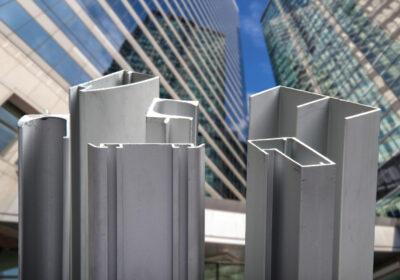
Behind many of these advancements is a material that often operates behind the scenes without recognition: aluminum extrusion. It plays a vital role in enabling modern clean energy systems.
From the structural frames of solar panels to wind turbine components, aluminum extrusions provide the strength, durability, and versatility required for renewable energy infrastructure. As clean energy projects continue expanding worldwide, aluminum is becoming one of the foundational materials driving the transition toward a more sustainable future.
The Need for Advanced Materials in Renewable Energy Infrastructure
Renewable energy systems operate in demanding outdoor environments where components must withstand:
- Extreme weather conditions
- UV exposure
- Moisture and corrosion
- High mechanical loads
- Long operational lifespans
Infrastructure materials must also support cost-effective and lightweight construction while enabling sustainable manufacturing practices.
This is why aluminum in clean energy applications has become increasingly important. Its combination of performance, corrosion resistance, and recyclability makes it ideally suited for renewable energy infrastructure.
The Benefits of Aluminum Extrusions in Clean Energy Applications
Aluminum extrusions are produced by forcing aluminum through custom-designed dies to create highly functional profiles. This process enables manufacturers to engineer lightweight yet durable components optimized for renewable energy systems.
Key advantages include:
- High strength-to-weight ratio
- Excellent corrosion resistance
- Long service life
- Design flexibility for custom systems
- Low maintenance requirements
- Full recyclability
These advantages position aluminum as one of the leading materials used in renewable energy infrastructure today.
Aluminum Extrusions for Solar Panel Frames
One of the most common renewable energy applications of aluminum extrusion is solar panel framing.
Solar systems require structural components that can:
- Support panel weight
- Resist outdoor exposure
- Simplify installation
- Maintain dimensional stability over decades
Aluminum for solar panel frames is preferred because it delivers durability without adding unnecessary weight to rooftop or ground-mounted solar systems.
Why Aluminum Is the Preferred Material for Solar Frames
- Corrosion resistance protects against rain, humidity, and environmental exposure
- Lightweight construction reduces structural load requirements
- High strength supports long-term stability
- Easy fabrication simplifies assembly and customization
- Recyclability supports sustainable energy goals
Additionally, aluminum offers a clean and modern appearance that complements contemporary architectural solar installations.
Solar Racking Extrusions and Mounting Systems
Beyond panel frames, solar power systems also rely heavily on mounting and support structures.
Solar racking extrusions are used to create:
- Ground-mounted solar support systems
- Rooftop mounting rails
- Adjustable tilt structures
- Tracking systems for solar optimization
These systems require precision-engineered profiles capable of handling dynamic loads, wind pressure, and varying environmental conditions.
Benefits of Aluminum Solar Racking Systems
- Lightweight handling allows faster installation
- Reduced transportation costs
- High corrosion resistance in outdoor environments
- Compatibility with modular system designs
- Long-term durability with minimal maintenance
As solar projects continue expanding globally, aluminum extrusion supports more efficient and cost-effective installation methods.
Aluminum Extrusions in Wind Turbine Components
Aluminum-based solutions also play a major role in wind energy infrastructure.
Although turbine towers are primarily constructed from steel, aluminum extrusions are widely used in critical secondary systems and wind turbine components, including:
- Internal access systems
- Electrical housings
- Cooling structures
- Platforms and walkways
- Cable management systems
- Nacelle components
The lightweight properties of aluminum help reduce overall system weight while improving assembly and maintenance efficiency.
Why Aluminum Performs Well in Wind Energy Applications
- Corrosion resistance in offshore and coastal environments
- Excellent structural performance under variable loads
- Reduced maintenance requirements
- High thermal conductivity for electrical systems
As offshore wind projects continue expanding, demand for corrosion-resistant aluminum solutions continues to grow.
Sustainability and Circular Economy Benefits
Renewable energy projects are designed to support environmental sustainability, and material selection plays a major role in achieving those goals.
Aluminum contributes to sustainability because:
- It is 100% recyclable without degradation
- Recycling aluminum requires significantly less energy than primary production
- Long product life reduces the need for frequent replacement
- Lightweight transportation lowers carbon emissions
These characteristics make aluminum one of the most sustainable renewable energy infrastructure materials available today.
The Importance of Corrosion Resistance in Renewable Energy Infrastructure
Solar farms and wind installations are regularly exposed to challenging environmental conditions, including:
- Rain and humidity
- Salt exposure in coastal areas
- UV radiation
- Snow and temperature fluctuations
- Industrial pollutants
Aluminum naturally forms a protective oxide layer that improves corrosion resistance. Additional finishing processes such as anodizing and powder coating can further enhance long-term performance.
This durability is essential for renewable energy systems expected to operate efficiently for decades.
Design Flexibility and Custom Engineering
Renewable energy infrastructure often requires custom engineering based on:
- Geographic conditions
- Installation methods
- Load requirements
- Technology integrations
Aluminum extrusion allows engineers to create highly specialized profiles that optimize both performance and manufacturability.
Custom extrusion designs can integrate:
- Cable channels
- Mounting features
- Reinforcement structures
- Thermal management systems
This flexibility supports continuous innovation as renewable technologies evolve and expand.
The Role of Can Art Aluminum Extrusion in Renewable Energy Infrastructure
Can Art Aluminum Extrusion supports the growing renewable energy sector through advanced extrusion and fabrication capabilities designed for demanding infrastructure applications.
Their expertise includes:
- Heavy-duty aluminum extrusion profiles for solar and wind systems
- Precision fabrication for structural and mounting applications
- High-quality finishing solutions for outdoor durability
- Scalable manufacturing for large infrastructure projects
- Sustainable production practices aligned with clean energy initiatives
By combining engineering precision with advanced manufacturing technology, Can Art Aluminum Extrusion helps renewable energy manufacturers develop durable, efficient, and high-performance solutions.
Aluminum and the Future of Clean Energy
As global investments in renewable energy continue to increase, demand for durable and sustainable materials will grow alongside them. Aluminum extrusion is expected to play an even greater role in:
- Large-scale solar deployments
- Offshore wind infrastructure
- Energy storage systems
- Smart grid technologies
- Integrated renewable energy architecture
Its ability to balance strength, lightweight performance, and sustainability makes aluminum a cornerstone material in the clean energy transition.
Final Thoughts
The transition toward renewable energy depends not only on advanced technologies but also on the materials that make those technologies possible. Aluminum extrusions provide the durability, flexibility, and sustainability required for modern solar and wind infrastructure.
From aluminum solar panel frames to wind turbine components and solar racking extrusions, aluminum continues enabling cleaner and more efficient energy systems worldwide.
As the renewable energy industry continues evolving, manufacturers and developers partnering with experienced companies such as Can Art Aluminum Extrusion will be better positioned to build scalable, sustainable, and long-lasting infrastructure for the future.