Contemporary electronics are becoming smaller, faster, and more powerful. As they operate, from industrial control systems and electric vehicles to consumer electronics and telecommunications equipment, electronic devices generate significant amounts of heat. In simple terms, managing this heat is critical for performance, reliability, and product lifespan.
This is where aluminum extrusions become highly useful. Due to excellent aluminum thermal conductivity, lightweight properties, and flexibility, aluminum profiles are widely used in electronic systems to improve heat dissipation.
This thermally efficient approach using aluminum cooling solutions has become widely accepted across many industries.
Importance of Thermal Management in Electronic Systems
All electronic devices generate heat when electricity flows through them. Poor heat management can lead to:
- Reduced performance
- Component degradation
- Shorter product lifespan
- System failure
High-performance thermal management aluminum solutions help prevent overheating by transferring heat away from temperature-sensitive electronic and mechanical components. The heat is then dispersed through radiation or convection into the surrounding environment.
Cooling materials used in electronics therefore require:
- High thermal conductivity
- Structural stability
- Efficient heat transfer properties
Natural Heat-Dissipation Properties of Aluminum
One of the key characteristics that makes aluminum valuable in electronics is its strong thermal conductivity. Aluminum allows heat to move quickly away from heat-generating components.
This makes aluminum one of the most effective materials used in electronics cooling solutions within modern manufacturing environments.
Other advantages include:
- Lightweight structure
- High corrosion resistance
- Ease of manufacturing
- Cost effectiveness compared with many other metals
These properties make aluminum a dependable material for cooling systems across a wide range of electronic applications.
Role of Aluminum Heat Sinks in Electronics Cooling
Manufacturing heat sinks is one of the most common aluminum extrusion heat dissipation applications.
Aluminum heat sinks are widely used because they can absorb heat generated by electronic components and release it into the surrounding air. They function through two main mechanisms:
- Pulling heat away from the source through thermal conductivity
- Providing large surface areas that allow heat to dissipate into the surrounding environment
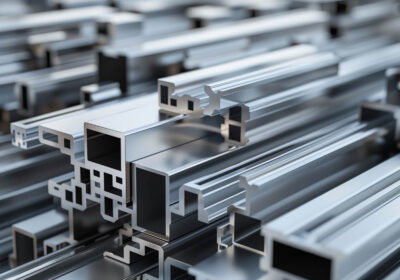
Heat sinks can also be extruded with fins and complex shapes to maximize surface area while maintaining structural rigidity.
Why Aluminum Extrusion Is Ideal for Cooling Components
Extrusion makes it possible to produce highly precise cooling profiles. Unlike machining or fabrication, extrusion can create complex shapes in a single manufacturing process.
This allows engineers to integrate custom aluminum cooling features such as:
- Thin cooling fins
- Multi-channel heat dissipation paths
- Integrated mounting structures
- Custom airflow optimization
These designs help optimize thermal management aluminum systems while maintaining cost-efficient manufacturing.
For example, Canart Aluminum Extrusion’s precision extrusion capabilities allow engineers to develop highly specialized cooling profiles suited for individual electronic applications.
Applications of Aluminum Cooling in Electronics
As electronic systems become more powerful, efficient aluminum extrusion heat dissipation systems are increasingly essential rather than optional. Typical applications of aluminum cooling elements include:
- Power electronics systems
- LED lighting fixtures
- Telecommunications equipment
- Data center infrastructure
- Electric vehicle electronics
- Industrial control units
In all these applications, effective heat management is crucial for protecting sensitive circuitry and maintaining reliable system performance.
Lightweight Cooling Solutions with Aluminum
Another major advantage of aluminum cooling systems is their weight efficiency. Aluminum provides strong thermal performance while maintaining a low total system weight.
This is particularly beneficial for applications such as:
- Electric vehicles
- Aerospace electronics
- Portable equipment
The balance between cooling performance and reduced weight makes aluminum one of the preferred electronics cooling materials across many industries.
Sustainability Advantages of Aluminum Cooling Systems
Aluminum is also one of the most sustainable metals used in manufacturing. It can be recycled repeatedly without losing its material properties.
Thermal management systems using aluminum extrusions support sustainable manufacturing through:
- Recyclable materials
- Energy-efficient production processes
- Long service life of components
These benefits align with the increasing global focus on sustainability in engineering solutions.
Canart Aluminum Extrusion’s Expertise in Cooling Solutions
At Canart Aluminum Extrusion, we work with manufacturers across many industries to design and manufacture precise aluminum profiles optimized for heat dissipation.
Our extrusion capabilities allow engineers to develop reliable aluminum cooling solutions tailored to the specifications of modern electronic systems, including custom aluminum heat sinks and specialized cooling structures.
By leveraging advanced casting processes and high-quality aluminum alloys, we help customers create components that meet demanding thermal performance requirements.
Aluminum Extrusions for Electronics Cooling
As electronics continue to increase in capability, complexity, and density, smarter thermal solutions are becoming essential. Overheating can threaten both performance and reliability, making cooling systems a critical design consideration.
Aluminum extrusion has emerged as one of the most effective solutions for electronics cooling due to its strong thermal conductivity, design flexibility, and manufacturing efficiency.
From aluminum heat sinks to customized aluminum extrusion heat dissipation profiles, aluminum continues to play a key role in ensuring that modern electronic systems operate safely, efficiently, and reliably.