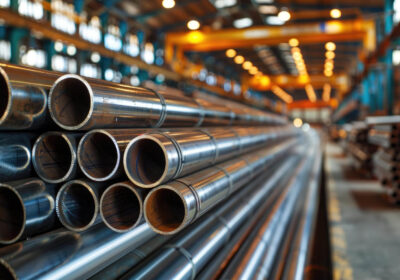
Surface finishing is an important part of determining the end-performance characteristics and durability of aluminum extrusions. Although aluminum is corrosion-resistant in its natural state, many industries require extra protection or aesthetics in their operations.
Some of the most common aluminum extrusion surface finishes include anodizing and powder coating, both of which have stood out as the most tried and tested methods. These two alternatives have their own set of benefits depending on their use.
At Can Art Aluminum Extrusion Canada Inc., we can assist you with determining the best finish according to engineering requirements, price, and application.
Importance of Surface Finishing in Aluminum Extrusions
Aluminum extrusion surface finishing goes beyond appearance alone. Proper finishing enhances:
- Resistance to corrosion in natural and industrial conditions
- Wear and abrasion resistance
- UV resistance and colorfastness
- Product lifespan and total cost of ownership
The decision to anodize or powder coat should be made early in the design phase to ensure compatibility with manufacturing, assembly, and performance requirements.
Anodizing: Definition and Process Overview
Anodizing is an electrochemical process in which aluminum is transformed into an anodic oxide layer. This oxide layer is not a separate coating but becomes an integral part of the aluminum surface.
Advantages of Anodizing Aluminum Extrusions
High Corrosion Resistance
Anodized aluminum performs exceptionally well in outdoor, marine, and industrial environments due to the stable oxide layer that protects the surface.
Superior Abrasion Resistance
The anodic oxide layer is harder than the base metal, offering excellent resistance to wear compared to most painted surfaces.
Excellent UV Stability
Anodized finishes do not chalk or fade when exposed to sunlight, making them ideal for long-term outdoor applications.
Natural Metallic Appearance
Anodizing preserves the metallic character of aluminum, delivering a clean, bright, and uniform surface that is widely preferred in architectural applications.
Environmentally Responsible Finishing Process
The anodizing process produces low VOC emissions and results in a recyclable, durable surface finish.
Disadvantages of Anodizing
Limited Color Options
Anodized finishes are generally restricted to metallic and natural tones such as silver, bronze, black, and champagne.
Alloy Sensitivity
The final appearance can vary depending on aluminum alloy composition and the extrusion process used.
Repair Limitations
Damaged anodized surfaces are difficult to repair locally and often require complete reprocessing of the part.
Powder Coating: Definition and Process Overview
Powder coating is an electrostatic process in which aluminum extrusions are coated with thermoplastic or thermoset powder. The coated part is then cured in an oven to form a continuous protective film.
Advantages of Powder Coating Aluminum Extrusions
Wide Range of Colors and Textures
Powder coating offers extensive design flexibility with access to custom RAL colors, metallic finishes, matte effects, and textured coatings.
High Aesthetic Consistency
Color uniformity is easier to maintain across production batches, making powder coating ideal for branding-driven and design-focused projects.
Effective Corrosion Protection
With appropriate pretreatment, powder-coated aluminum provides reliable corrosion resistance in most environments.
Thicker Protective Coating Layer
The higher film thickness offers improved resistance to minor impacts and surface abrasion.
Low Environmental Impact
Powder coating contains no solvents, produces minimal VOC emissions, and allows overspray to be recycled and reused.
Drawbacks of Powder Coating
UV Performance Depends on Resin Type
For long-term outdoor exposure, only high-quality polyester powders meeting AAMA 2604 or 2605 standards are recommended.
Risk of Chipping Under Heavy Impact
While powder coatings are durable, severe impact can cause chipping and expose the underlying aluminum surface.
Higher Cost for Premium Architectural Systems
Architectural-grade powder coatings may involve higher material costs and energy-intensive curing processes.
Performance Comparison: Anodizing vs Powder Coating
| Performance Factor | Anodizing | Powder Coating |
| Corrosion Resistance | Excellent | Very Good |
| UV Stability | Excellent | Resin-dependent |
| Abrasion Resistance | Very High | Moderate |
| Color Options | Limited | Extensive |
| Metallic Appearance | Natural | Simulated |
| Warranty Duration | Typically Limited | Extended (architectural systems) |
| Environmental Impact | Low VOC | No VOC |
Selecting the Right Aluminum Finish for Industrial Applications
Anodized aluminum is commonly selected for applications requiring:
- High durability
- Superior wear resistance
- Long-term UV stability
Powder coating is typically preferred when:
- Color consistency is critical
- Branding or aesthetic flexibility is required
- A broader range of finishes is needed
For metallic finishes, anodizing remains the preferred solution, while powder coating offers greater freedom in decorative applications.
Surface Finishing Expertise at Can Art Aluminum Extrusion
Can Art Aluminum Extrusion Canada Inc. offers both anodizing and powder coating capabilities. As a vertically integrated manufacturer, we ensure consistent quality for architectural and industrial-grade applications.
By collaborating closely with customers during the design and specification stages, we ensure aluminum extrusion surface finishes meet functional, aesthetic, and performance requirements.
Choosing the Right Aluminum Surface Finish
Anodizing and powder coating each serve distinct purposes in aluminum extrusion surface finishing. Neither process is inherently superior; the optimal choice depends on application requirements, environmental exposure, and aesthetic goals.
When finished correctly, aluminum extrusions deliver long-term durability, visual appeal, and protection. At Can Art Aluminum Extrusion, we support this process with technical expertise and proven finishing solutions.