Renewable energy systems must function under harsh conditions while delivering reliable performance for decades. Whether building a solar farm, wind turbine installation, or energy storage infrastructure, the materials used must provide the ideal mix of durability, strength, and resistance to long-term environmental effects.
For this reason, aluminum extrusions are one of the preferred materials used in renewable energy. Aluminum profiles provide solutions for efficient and sustainable energy systems because of their lightweight properties, corrosion resistance, and recyclability.
Many aluminum renewable energy applications rely on precision-engineered extrusions that provide structural stability, heat management, and long-term reliability.
Aluminum’s Role in the Future of Renewable Energy
As the global energy transition accelerates, renewable infrastructure continues to scale rapidly. Solar installations, wind farms, and energy storage systems require materials that are strong, reliable, and capable of withstanding constant outdoor exposure.
Performance and sustainability are key factors in these projects, which is why aluminum has become a material of choice. From aluminum frames that support solar panels to structural components used in wind turbines, aluminum helps ensure renewable systems remain efficient and durable throughout their lifecycle.
Aluminum in Solar Panel Structures
One of the most common renewable energy applications of aluminum can be seen in solar farms. Photovoltaic modules require stable and durable framing systems to maintain proper alignment and protection.
Aluminum offers several advantages for solar panel structures, including:
- Lightweight construction that simplifies installation
- Strong resistance to corrosion in outdoor environments
- Long-lasting structural stability
- Compatibility with modular mounting systems
Extruded aluminum profiles allow manufacturers to produce durable aluminum frames for solar panels that securely support photovoltaic modules while reducing the overall system weight.
These frames also help protect sensitive solar components while allowing efficient heat dissipation.
Corrosion Resistance for Outdoor Energy Systems
Renewable energy installations often operate in harsh environments. Solar farms may be located in deserts, coastal regions, or areas with heavy rainfall, while wind turbines face constant exposure to wind, moisture, and temperature changes.
Aluminum naturally forms a protective oxide layer that shields the metal from corrosion. This characteristic gives aluminum structures high resistance to environmental degradation, making them suitable for long-term outdoor infrastructure.
Because aluminum resists rust and corrosion, renewable energy systems can operate reliably for decades with minimal maintenance.
Aluminum in Wind Turbine Components
Aluminum’s properties also make it valuable for wind energy systems. While the main turbine towers are typically made of steel, aluminum plays an important role in many supporting structures and internal components.
Common aluminum applications in wind turbines include:
- Structural housings
- Electrical component enclosures
- Cooling systems
- Internal support frames
The lightweight nature of aluminum reduces stress on mechanical systems while maintaining structural integrity, contributing to improved efficiency and reliability in wind energy installations.
Lightweight Materials for Easier Installation
Another advantage of aluminum extrusions is their relatively low weight compared to many other structural metals.
Renewable energy projects often cover large geographic areas, and transporting heavy components can increase installation costs and complexity.
Lightweight aluminum structures enable:
- Faster assembly on-site
- Easier handling during installation
- Reduced transportation costs
These benefits improve efficiency and help lower overall project costs for large-scale renewable energy installations.
Sustainability Advantages of Aluminum Materials
Renewable energy projects aim to reduce environmental impact, and material selection plays an important role in achieving that goal.
Aluminum is one of the most recyclable industrial metals available. It can be recycled repeatedly without losing its mechanical properties, and recycling aluminum requires significantly less energy than producing new metal.
These characteristics make aluminum one of the most valuable sustainable materials used in modern infrastructure.
The use of recyclable aluminum components also supports zero-waste initiatives and sustainable environmental practices.
Design Flexibility Enabled by Aluminum Extrusion
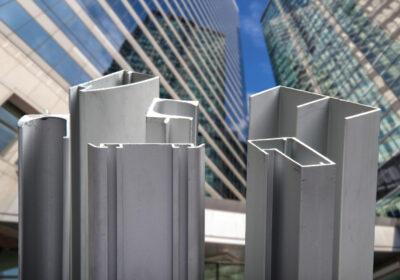
Extrusion manufacturing allows aluminum to be shaped into complex profiles that combine structural and functional features. This flexibility is particularly valuable in renewable energy systems where components must manage structural loads while integrating mechanical connections.
Extruded aluminum profiles can incorporate features such as:
- Mounting channels
- Reinforced structural sections
- Integrated fastening points
- Heat management features
This design versatility supports a wide range of aluminum renewable energy applications, including mounting systems and structural components used in energy infrastructure.
Canart Aluminum Extrusion’s Contribution to Renewable Energy
At Canart Aluminum Extrusion, we support industries contributing to the evolving renewable energy landscape. Our precision aluminum profiles are used across sectors such as renewable energy, transportation, construction, and industrial equipment.
For renewable projects, we provide high-quality aluminum extrusions designed to deliver strength, durability, and manufacturing efficiency.
By helping develop corrosion-resistant solar structures and other renewable infrastructure components, Canart Aluminum Extrusion plays a role in supporting the global transition toward sustainable energy systems.
Aluminum Extrusions in Renewable Energy
Renewable energy systems require materials that deliver reliability and long-term performance while supporting environmental goals. Aluminum extrusions meet these requirements through durability, corrosion resistance, and design flexibility.
From aluminum frames used in solar panels to structural components in wind energy systems, aluminum has become an essential material in modern clean energy infrastructure.
As renewable energy continues to expand globally, aluminum renewable energy applications will remain critical in building power systems that are efficient, long-lasting, and sustainable.