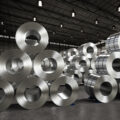
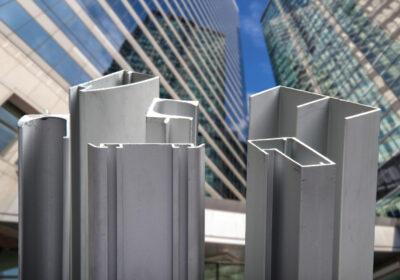
Sustainability is no longer a marketing claim, it’s a manufacturing mandate. From construction to transportation, companies across industries are rethinking materials, processes and supply chains to minimize environmental impact. One change that has sprung up this shift is sustainable aluminum extrusion.
Aluminium already has a reputation for being strong, light and versatile. However, what truly future-proofs it is its recyclability and compatibility with green aluminum manufacturing processes.
Let’s take a look at how sustainable aluminum is revolutionizing modern manufacturing.
Why Aluminum Is Naturally Sustainable
Aluminum is unique in that it can be recycled endlessly without losing its mechanical, resistance and aesthetic properties. Whereas many materials lose their strength and performance through the recycling process, aluminum can be recycled infinitely without degradation between life cycles.
This results in significant recycled aluminum advantages such as:
- Large energy savings over primary production
- Reduced greenhouse gas emissions
- Lower raw material consumption
- Extended material lifecycle
Recycling aluminum takes as much as 95 percent less energy than making new aluminum from bauxite. That simple fact renders it one of the most environmentally responsible industrial materials we have today.
Sustainable Aluminum Extrusion as a Progressive Manufacturing Reality
Extrusion is a highly efficient process, since it maximizes yield and minimizes waste. It becomes a pillar of green manufacturing practices when used with recycled billet and responsible production systems.
Sustainable aluminum extrusion focuses on:
- Using recycled input materials
- Die design utilization to save scrap
- Improving press efficiency
- Reducing water and energy consumption
- Minimizing process emissions
Many modern facilities now invest in energy-efficient equipment and closed-loop recycling systems, which means offcuts and scrap return to the production cycle rather than ending up as waste.
Lightweighting and Environmental Impact
Sustainability is as much about the way materials perform in use as it is how these materials are produced.
Industries wherein aluminum extrusions facilitate lightweight design include automotive, aerospace, and transportation. Lightweight structures need less energy to operate, which means lower fuel consumption and emissions over the service life.
This performance edge is consistent with a larger aluminum sustainability narrative: fewer emissions matter as much as production footprint.
Circular Economy and Closed-Loop Systems
The most powerful asset of aluminum is its incidence in the circular economy.
Extruded aluminum components can be:
- Recycled at end-of-life
- Re-melted into new billets
- Re-extruded into new profiles
This sustainable cycle decreases dependence on virgin materials, promoting long-term environmental sustainability.
An increasingly popular approach by manufacturers promoting green aluminum manufacturing is developing products with recyclability in mind so that contamination remains minimal and recovery of the material is simplified.
Innovation Driving Green Manufacturing Practices
Extrusion sustainability is not a static thing. It is evolving through innovation.
Key developments shaping the industry include:
- Low-carbon aluminum sourcing
- Integration of renewable energy sources in extrusion plants
- Development of novel alloys with improved recyclability
- Digital process monitoring to increase energy efficiency
This illustrates how sustainable trends in aluminum and environmental responsibility on one hand can drive operational efficiency on the other hand.
The notion of sustainable production is no longer considered a cost burden. Instead, it is seen as a competitive advantage.
Why Sustainable Aluminum Systems Enable Business Growth
Sustainable aluminum provides clear business advantages beyond being environmentally responsible:
- Stronger ESG positioning
- Improved supply chain resilience
- Regulatory compliance readiness
- Long-term cost predictability through material recovery
Suppliers that embrace responsible sourcing and production values are increasingly preferred by customers and partners. A sustainable approach to aluminum extrusion allows companies to achieve those expectations without sacrificing high-performance specifications.
The Commitment of Canart Aluminum Extrusion to Sustainability
Sustainability is embedded in operations and long-term strategy at Canart Aluminum Extrusion.
The company focuses on:
- Incorporating recycled aluminum wherever possible
- Improving energy efficiency of extrusion processes
- Minimizing waste through improved die design and production planning
- Assisting customers to create strong, lightweight aluminum solutions
This strategy aligns with modern green manufacturing methods and helps Canart Aluminum Extrusion become part of a more responsible supply chain while providing precision-engineered profiles for multiple industries.
This commitment isn’t just about compliance, it has deep implications for sustainable growth in the future.
The Future of Sustainable Manufacturing
With evolving environmental standards, sustainable aluminum will become an increasingly central component of global manufacturing.
Aluminum extrusion is a cornerstone of cleaner production systems because of its combination of recyclability, durability and lightweight performance.
With increased focus on sustainable aluminum extrusion and responsible sourcing beyond C-Grade, manufacturers aren’t simply cutting down their environmental footprint, they’re revolutionizing how industrial materials feed into a circular, streamlined economy.
Sustainable aluminum is not only defining the future of manufacturing. It is helping build it, responsibly.